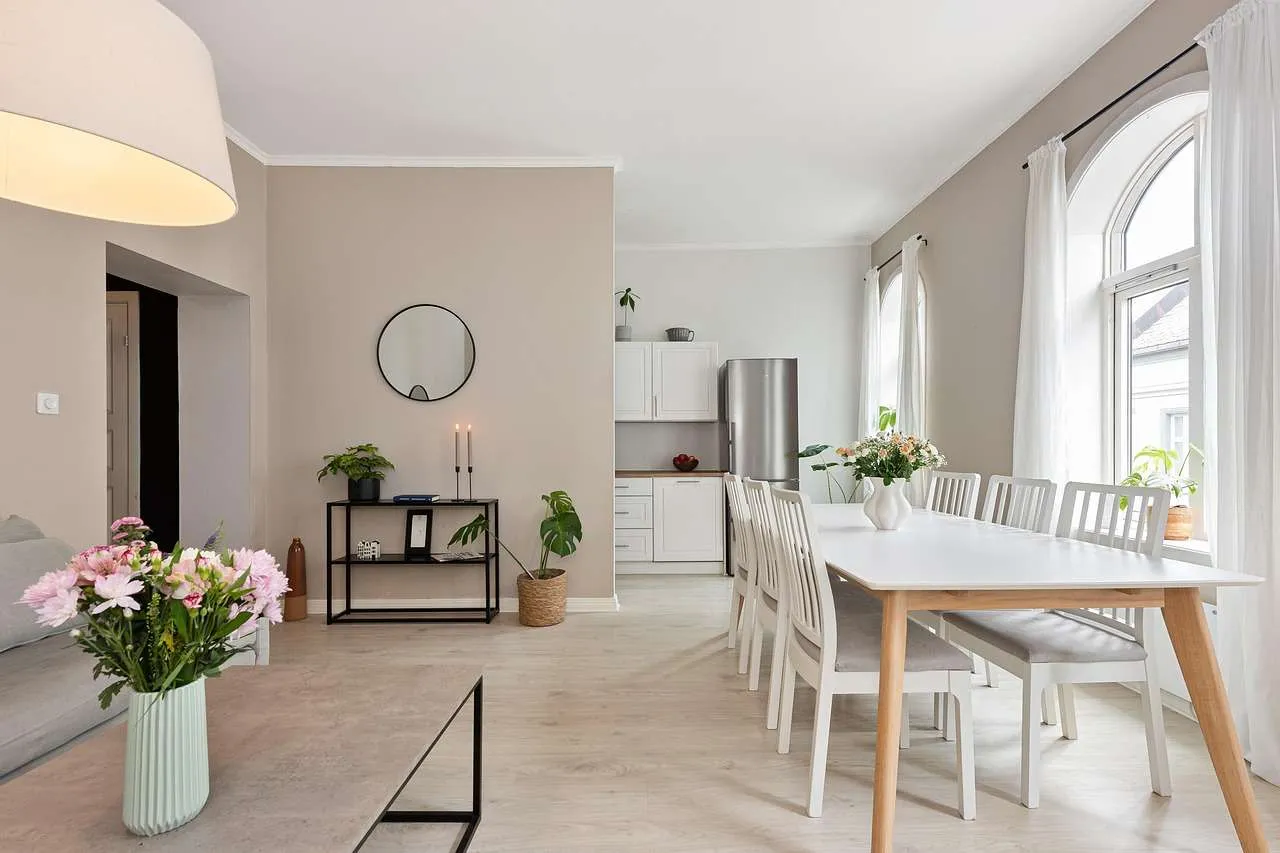
Home window tint refers to a thin film applied to interior or exterior glass to reduce heat, glare, and UV exposure. For homeowners, it is a practical upgrade that can improve comfort, protect furnishings, and lower energy costs. This guide explains what home window tint is, the types available, how to choose, installation options, costs, and safety considerations, all aimed at helping readers make informed and trustworthy decisions.
What is Home Window Tint and Why It Matters
Window tinting uses specialized films that adhere to glass. The primary benefits are heat rejection, reduced glare, and UV attenuation that protects fabrics, flooring, and artwork from fading. A quality tint can also improve occupant comfort by lowering hot spots near windows and reducing the need for excessive air conditioning. For homes with large south- or west-facing windows, tinting can provide noticeable energy savings and a more consistent indoor climate without sacrificing natural light.
Choosing the right tint involves balancing performance with aesthetics and local regulations. Reputable installers can assess your climate, window type, and orientation to recommend a film that meets your goals while preserving visibility and daytime privacy.
Types of Window Tint for Homes
Home window films come in several families, each with distinct advantages and trade-offs. Understanding these can help you narrow choices before you talk to installers.
- Dyed films: Absorb heat and reduce glare at a low initial cost. They’re less durable and can fade or change color over time, but they’re a good option for budget projects.
- Metalized films: Contain microscopic metallic particles that reflect heat. They offer strong heat rejection but can interfere with electronics and mobile signals in some homes.
- Carbon films: Matte appearance with good heat rejection and little reflectivity. They resist fading and maintain color over time, making them popular for long-term value.
- Ceramic films: The highest performance among consumer films. They provide excellent heat rejection, low reflectivity, and won’t interfere with electronics. They are typically more expensive but offer the best overall experience.
- Low-E (low emissivity) films with tint: Designed to minimize heat transfer through glass while preserving daylight. Great for energy efficiency, especially on double- or triple-pane windows.
- Factory-tinted or dual-pane compatible films: Some windows come with built-in tints or coatings. Professionals can advise whether additional film is beneficial and compatible.
Key Considerations When Choosing a Tint
- Climate and orientation: South- and west-facing windows benefit most from heat rejection, while northern exposures may prioritize UV protection and glare reduction.
- Visible Light Transmission (VLT): Higher VLT preserves daylight; lower VLT increases privacy and heat control but darkens rooms.
- UV protection: Most films block 99%+ of UV rays, protecting furniture and skin.
- Privacy needs: Reflective or darker films offer more daytime privacy; check if nighttime visibility matters.
- Durability and warranty: Ceramic and carbon films tend to last longer and resist discoloration; look for manufacturer warranties and installer guarantees.
- Regulatory limits: Some areas regulate tint darkness on front-facing windows. Always verify local laws before installation.
DIY vs Professional Installation
Choosing between DIY kits and professional installation depends on window type, home size, and your comfort with precision work. DIY kits can be cost-effective for small jobs and basic films, but improper installation can lead to bubbles, creases, or reduced performance. Professionals ensure precise cutting, proper adhesion, and warranty coverage. For most homeowners, especially those with large or multi-pane windows, hiring a certified installer is the safer path.
Installation Process and Maintenance
A typical professional tint installation includes surface cleaning, window preparation, precise film cutting, application with squeegees to remove air and moisture, and trim for a clean edge. After installation, films cure and may appear slightly hazy initially but clear up within a few days. Maintenance is simple: wash with non-abrasive glass cleaner and soft kint-free cloth. Avoid harsh solvents, which can degrade the film over time.
Costs and ROI
Costs vary by film type, window size, and labor. For professional installation, expect roughly five to fifteen dollars per square foot, depending on the film’s performance and the complexity of the project. Carbon and ceramic films typically command higher prices but deliver greater energy savings and durability. ROI can come from lower cooling costs, reduced glare, and slower furniture fading, often making tinting a prudent, long-term investment for hot climates or sunny homes.
Regulatory and Safety Considerations
Before tinting, check local regulations on permissible tint levels for different window locations, especially front-side windows. Some jurisdictions require minimum visible transmittance or impose restrictions on reflective films. Insurance and safety should also be considered; professional installers provide documentation that can be used for home improvement records and potential warranty claims.
Choosing a Reputable Installer and Warranty
Look for installers certified by recognized industry organizations and the film brands they carry, such as 3M, LLumar, Solar Gard, or Ceramic brands. A good installer should offer a clear warranty on both the film and installation workmanship, explain maintenance needs, and provide before-and-after photos or testimony from previous projects. Reading customer reviews and requesting a in-home demonstration or sample film can help you assess color, reflectivity, and confidence in the result.
Film Type Comparison
| Film Type | Key Features | Pros | Cons | Typical Lifespan |
|---|---|---|---|---|
| Dyed | Low cost, color absorbs heat | Affordable, good glare reduction | Can fade, limited UV protection over time | 5–7 years |
| Metalized | Reflects heat with metallic particles | Strong heat rejection, adds privacy | Can interfere with electronics; possible patchy patterns | 7–12 years |
| Carbon | Matte look, good heat rejection | Durable, non-reflective, long-lasting | Higher upfront cost | 12–15 years |
| Ceramic | Highest performance, non-reflective | Best heat rejection, electronics-friendly | Most expensive | 15+ years |
| Low-E with tint | Energy-efficient, reduces heat transfer | Great for climates with extreme temps | Balance between tint level and daylight varies | 10–15 years |
The choice between these options should align with your climate, home design, and long-term plans. A reputable installer will provide a formal proposal that compares film types, shows expected energy savings, and outlines warranty details.
Conclusion, home window tint offers a practical mix of comfort, protection, and potential energy savings when chosen and installed with care. By understanding film types, regulatory considerations, and selecting a qualified installer, homeowners can maximize value and achieve a confident, long-lasting improvement to their living spaces.