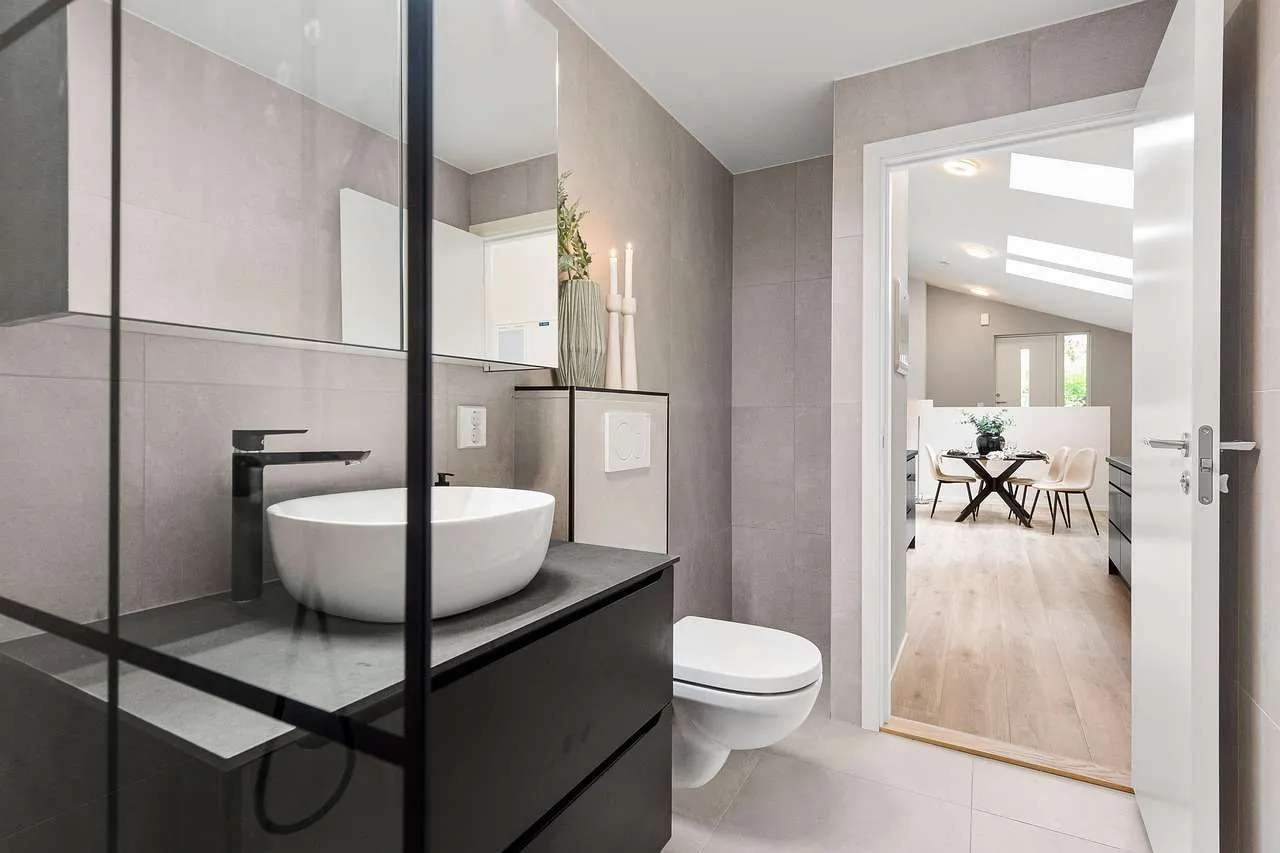
Choosing bathroom tiles sets the tone for the entire space. Beyond aesthetics, tiles determine durability, moisture resistance, and maintenance needs. This guide provides expert insights on selecting materials, finishing options, installation considerations, and care routines to help homeowners, designers, or contractors make informed decisions.
Choosing the Right Bathroom Tiles
Material options
Common materials include ceramic and porcelain for everyday bathrooms, natural stone for a premium look, glass for accents, and cement for bold patterns. Ceramic tiles are usually budget-friendly and forgiving for walls. Porcelain tiles, fired at higher temperatures, offer lower water absorption and greater durability for floors. Natural stone provides unique veining but requires sealing and regular maintenance. Glass tiles create light reflections and can be used as accents or backsplashes. Cement tiles deliver graphic patterns but demand proper sealing and care to prevent staining.
Finish and size
Finish choices influence slip resistance and maintenance. Matte finishes hide smudges but can appear dull in poorly lit bathrooms, while glossy finishes brighten rooms but show watermarks more easily. Large format tiles reduce grout lines and can make small bathrooms feel bigger; small mosaics offer texture and design detail but require more grouting and maintenance. Consider slip resistance ratings for floors and water absorption ratings for walls to balance practicality and style.
Popular Tile Materials
Ceramic Tiles
Ceramic tiles are fired clay covered with glaze or a tinted surface. They are affordable, easy to cut, and suitable for walls and light to moderate commercial use. Clean with mild detergent; avoid harsh abrasives that can scratch the glaze.
Porcelain Tiles
Porcelain is a dense form of ceramic with very low water absorption. It performs well on floors and damp areas, resists staining, and comes in many shapes and finishes. Expect higher upfront costs but longer lifespan and less maintenance.
Natural Stone
Natural stones such as marble, travertine, or slate offer luxury and unique character. They require sealing, periodic resealing, and prompt cleanup of spills to prevent staining. Choose honed finishes for floors to reduce slipperiness.
Glass Tiles
Glass tiles add sparkle and are ideal for backsplashes and accent walls. They are non-porous and easy to clean but can be prone to showing water spots and chips; use in moderate moisture areas or as decorative features.
Cement Tiles
Cement or encaustic tiles deliver bold graphics and color. They are durable but porous, so sealing is essential to resist staining. They may need maintenance against moisture at grout lines and occasional resealing.
Patterns, Colors, and Layouts
Consider the room size, lighting, and existing fixtures when choosing layouts. Subway tiles in a brick pattern create a timeless look; herringbone layouts add movement; mosaics work well for showers or feature walls. For bathrooms with limited natural light, light-colored tiles or larger formats brighten the space; darker tones can add drama when balanced with white grout and lighting.
Installation and Maintenance
Professional installation ensures proper substrate preparation, correct thinset choice, and quality grout sealing. Pre-installation checks should include moisture tests and substrate flatness. Grout sealants protect against moisture and staining; re-sealing stone and cement tiles is recommended every 6-24 months depending on usage. Regular cleaning with pH-balanced cleaners preserves color and finish; avoid acidic products that can etch stone or dull glaze.
Cost and Value
Tile costs vary widely by material and finish. Ceramic tiles often start around a dollar or two per square foot for basic options, while porcelain can range higher; natural stone and cement tiles typically carry premium pricing plus sealing maintenance. Consider total installed cost including substrate prep, waterproofing, and labor. Quality tile installation adds long-term value by reducing repairs and preserving the bathroom’s appearance.
| Material | Water Absorption | Durability | Maintenance | Typical Cost per sq ft | Best For |
|---|---|---|---|---|---|
| Ceramic | Moderate | Good | Low to Moderate | $1–3 | Walls, light floors |
| Porcelain | Low | Excellent | Low | $3–6 | Floors, damp areas |
| Natural Stone | High | Excellent with sealing | High | $5–20 | Luxury bathrooms |
| Glass | Low | Good | Moderate | $4–12 | Backsplashes, accents |
| Cement | Moderate | Moderate | High | $2–8 | Bold patterns, floors |
Summary, bathroom tiles combine style and function. By selecting the right material, finish, and layout, and by planning for proper installation and maintenance, you can achieve a durable, attractive bathroom that stands up to moisture and daily use while reflecting your design goals.