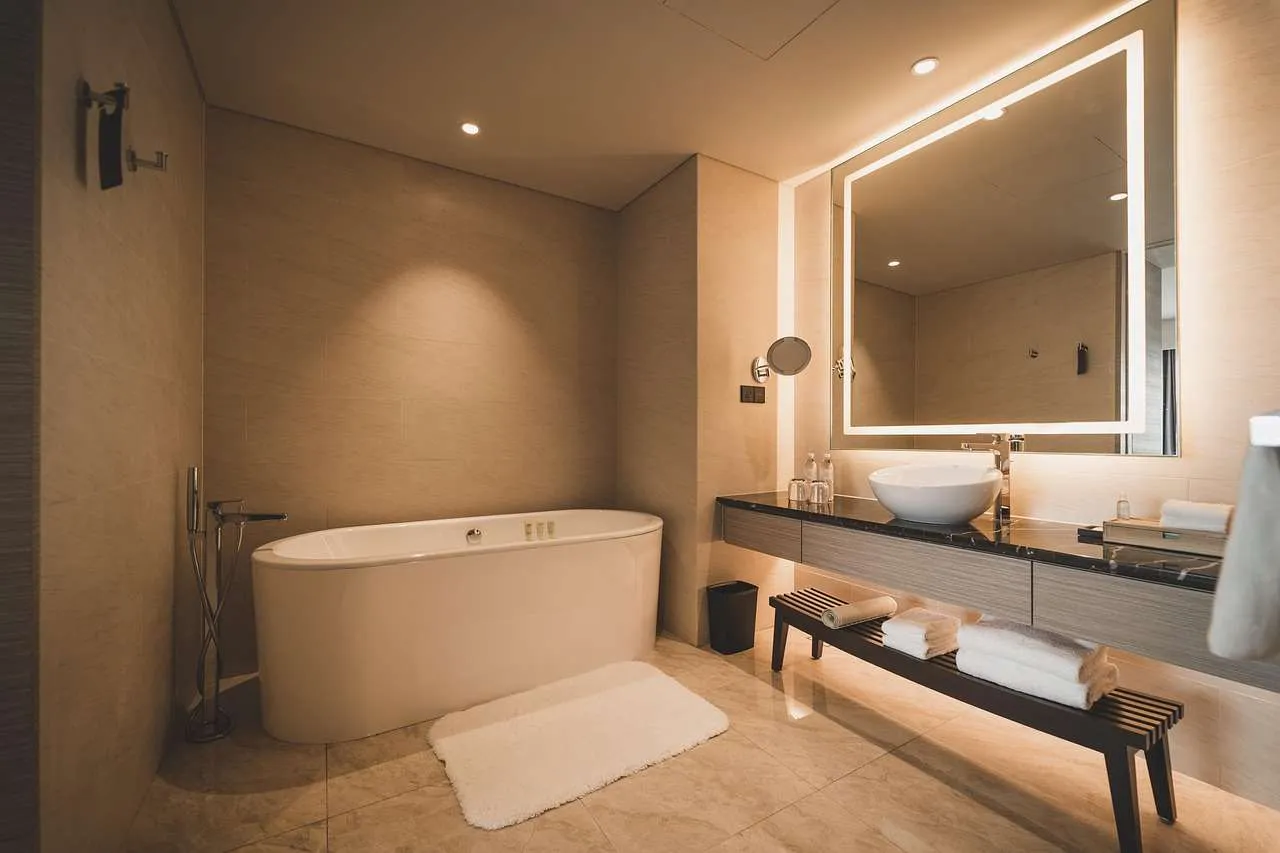
Choosing the right bathroom tile sets the tone for style, safety, and long-term maintenance. This guide distills expert recommendations on materials, layout, installation basics, and care, helping homeowners and designers achieve durable, beautiful results.
Understanding tile materials
Ceramic tile
Ceramic tiles are fired clay with a glaze that provides color and a protective finish. They are affordable, versatile, and suitable for walls and light-traffic floors. For bathrooms, choose a product with a water absorption rate low enough for wet areas and a rated slip resistance on floors.
Porcelain tile
Porcelain is a dense, low-porosity tile made from refined clay and fired at higher temperatures. It resists water, stains, and wear better than standard ceramic, making it ideal for floors and showers. Look for the stamped water absorption rate of 0.5% or less for true porcelain.
Natural stone
Natural stones such as marble, travertine, or slate offer unique veining and natural charm. They require sealing to protect against moisture and stains. Regular maintenance includes resealing every 6–12 months and using pH-balanced cleaners to protect the stone’s surface.
Glass and specialty tiles
Glass tiles add light and reflectivity, often used as accents or backsplashes. They are non-porous and easy to clean but can be slippery on floors if not textured and are brittle against heavy impact. Other specialty options include large-format porcelain or ceramic with wood-look patterns for warmth without maintenance.
Choosing the right tile for your bathroom
Start with space and function. For walls, most ceramic or porcelain ceramics provide durability with less maintenance. For floors, prioritize slip resistance and hardness. Consider:
- Moisture management: porcelain and glazed ceramic have low water absorption, ideal for showers and wet zones.
- Porosity and sealing: natural stone needs sealing; grout joints also require sealing for long-term performance.
- Finish and slip resistance: choose matte or textured finishes for floors; polished looks are great for walls but can be slick when wet.
- Budget and durability: ceramic is budget-friendly; porcelain tends to be pricier but longer-lasting.
- Layout and size: large-format tiles reduce grout lines and create a seamless look; smaller tiles offer more texture and easier corner fitting.
Tile sizes, patterns, and design ideas
Size and pattern influence perceived space and maintenance. Subways offer a classic look, while large-format tiles create a modern, fewer-grout-lines effect. Popular patterns include straight lay, herringbone, and vertical stacking for bathrooms with high ceilings. Use contrasting grout to emphasize lines or neutral tones for a calm, cohesive space. If your wall area is small, vertical patterns can visually lift the ceiling.
Installation basics and waterproofing
Proper substrate preparation and waterproofing protect against moisture damage. Key steps include:
- Check the substrate for flatness; use backer board or leveling compounds on uneven surfaces.
- Install a waterproof membrane in shower or wet areas to prevent water intrusion behind tiles.
- Use the right thinset mortar for each tile type, and allow proper curing time before grouting.
- Seal natural stones and reseal grout joints as recommended by the manufacturer.
Maintenance, cleaning, and care
Maintenance is essential to preserve appearance and performance. For most tiles:
- Clean with pH-balanced, non-acidic cleaners to avoid etching or dulling finishes.
- Wipe down after showers to reduce water spots and mildew growth on grout.
- Seal porous tiles and grout where recommended, typically every 6–12 months for stone and grout.
- Address grout cracks promptly to prevent water penetration and damage to underlying substrates.
Comparison of tile options
| Tile Type | Pros | Cons | Best Use |
|---|---|---|---|
| Ceramic | Affordable; good color range; easy to cut | Less durable on floors; may require sealing on some glazes | Walls and light-traffic areas |
| Porcelain | Low porosity; durable; versatile | Higher cost; heavier | Showers and floors |
| Natural Stone | Unique beauty; premium feel | Requires sealing; higher maintenance | Bathrooms with a luxury look |
| Glass | Reflective; easy to clean; non-porous | Slippery on floors; edges can chip | Backsplashes and accents |
In the end, selecting bathroom tile is about balancing aesthetics, practicality, and upkeep. A thoughtful mix of materials—porcelain or ceramic for walls, a textured stone or ceramic for floors, and optional glass accents—can deliver both style and resilience across a busy bathroom environment.
Conclusion, by prioritizing moisture resistance, proper installation, and appropriate maintenance, you can guarantee a bathroom that remains beautiful and functional for years. Invest in samples, verify warranties, and consult a licensed installer or designer to translate your vision into a durable, EEAT-compliant space that performs as well as it looks.